
A cashback credit card pays back a small slice of what you spend on it anyway: the weekly shop, fuel, bills. It's easy money. But only if you clear the balance in full every month. Carry a balance for a single month at a typical 29% APR and the interest can cancel out a whole year of cashback.
This guide compares the main UK cashback cards for 2026. It covers what each one pays, what it costs, and how much you'd actually earn at realistic levels of spending. Terms were checked against provider pages and recent coverage in early October 2026. Card terms change often, so always check the provider's own page before applying. Representative APRs are what at least 51% of accepted applicants get, so you could be offered a higher rate.
Key Takeaways
- UK cashback cards typically pay 0.25% to 1.25% on spending, plus intro offers of up to 5% for the first few months.
- Cashback only works if you pay in full every month. Interest at 14.9–37.8% APR will wipe out any reward.
- Amex Cashback Everyday is the strongest no-fee all-rounder. Lloyds Ultra pays 1% uncapped in year one and has the lowest representative APR here (14.9%).
- Paid cards (Amex Platinum Cashback, Santander Edge) only come out ahead if you spend heavily and consistently.
- Amex isn't accepted everywhere, so it helps to carry a Visa or Mastercard as a backup.
At a Glance: Cashback Credit Cards Compared
| Card | Fee | Ongoing cashback | Intro offer | Representative APR |
|---|---|---|---|---|
| Amex Cashback Everyday | £0 | 0.5% (1% above £10k a year) | 5% for 5 months, up to £125 | 29.1% variable |
| Amex Platinum Cashback | £25 a year | 0.75% (1.25% above £10k a year) | 5% for 3 months, up to £125 | 34.6% variable |
| Lloyds Ultra | £0 | 0.25% | 1% uncapped for 12 months | 14.9% variable |
| Santander Edge | £4 a month | 1%, capped at £10 a month | None | 37.8% variable |
Why UK Cashback Rates Are So Low
UK cashback rates look stingy next to American ones, and there's a reason. The interchange fee a card issuer earns on a consumer credit card payment is capped at 0.3% for UK transactions covered by the rules. That leaves little room to pay rewards. It's why most UK cards pay well under 1% after the intro period, and why American Express, which works under a different model, dominates the market.
Cashback is usually paid once a year as a credit on your statement. Balance transfers, cash withdrawals, fees, interest and buying foreign currency never earn it.
The Cards Reviewed
1. Amex Cashback Everyday: Best No-Fee All-Rounder
The Amex Cashback Everyday card pays 5% cashback for the first five months, up to £125. After that you earn 0.5% on the first £10,000 of spending in each card membership year and 1% on spending above that. There's no annual fee and no cap on ongoing cashback. The representative APR is 29.1% variable.
Watch out for: you must spend at least £3,000 in a card membership year to earn any cashback at all. UK warehouse retailers earn only 0.5%. The intro offer isn't available if you've held a personal Amex card in the last 24 months. Spending abroad costs a 2.99% non-sterling fee.
Best for: people who put £3,000 or more a year on a card and pay it off every month.
2. Amex Platinum Cashback: Best for Big Spenders
The paid version pays more: 0.75% up to £10,000 and 1.25% above it. The intro offer is 5% for three months, on up to £2,500 of spending (so £125 at most). It costs £25 a year, which pushes the representative APR up to 34.6% variable, though the purchase rate is the same 29.1%.
Watch out for: the free Everyday card earns more below £10,000 of annual spending. The paid card only pulls ahead above that level.
Best for: households putting well over £10,000 a year on one card, for example by paying most bills by credit card.
3. Lloyds Ultra: Best for Year One and Travel
The Lloyds Ultra pays 1% cashback on all purchases in the first year from account opening, then 0.25%. There's no monthly fee, no foreign transaction fee and no Lloyds fee for cash withdrawals. Interest on cash still builds up, though. Cashback is paid once a year, in January. It's a Visa card, so it's accepted almost everywhere.
Its representative APR is now 14.9% variable, and Lloyds links its standard rates to the Bank of England base rate. When the card launched in 2025 it was advertised at 12.9%, and some comparison sites still show older figures of 12.9%. Lloyds' own page is the one to trust. Even at 14.9%, it's still well below the other cards here.
Watch out for: 0.25% after year one is modest. You'll probably need a good credit history to be accepted.
Best for: people with strong credit, frequent travellers, and anyone who wants a no-fee Visa that earns well in year one.
4. Santander Edge: Best for Steady Monthly Spending
Santander Edge pays 1% on purchases, capped at £10 a month, for a £4 monthly fee. That makes the most you can earn £120 a year, which you hit at £1,000 a month of spending. After the £48 in fees, that's £72 a year at best. Purchases abroad are free of foreign exchange fees.
Watch out for: you need to spend £400 a month just to cover the fee. Which? reported that from July 2025 Santander cut the cashback, raised the fee from £3 to £4 and raised the representative APR from 29.8% to 37.8% for new customers. That's the highest rate on this list. People who took the card out before 24 July 2025 kept the older terms.
Best for: people who reliably put about £1,000 a month on one card and always clear it.
A Simple Backup: Barclaycard Rewards
Barclaycard Rewards has long been a popular no-fee Visa that pays a flat 0.25% and charges no fees for using it abroad. That makes it a sensible partner for an Amex. FactsDeck couldn't confirm its current APR for this update, so check Barclaycard's own page before applying.
Which Card Pays the Most? A Worked Example
Here's the ongoing cashback after fees for someone who spends £1,000 a month (£12,000 a year) and pays in full, leaving out intro offers:
| Card | Cashback earned | Fees | Net per year |
|---|---|---|---|
| Amex Platinum Cashback | £100 | £25 | £75 |
| Santander Edge | £120 | £48 | £72 |
| Amex Cashback Everyday | £70 | £0 | £70 |
| Lloyds Ultra (after year one) | £30 | £0 | £30 |
In year one, Lloyds Ultra pays £120 at this level of spending with no fee. That makes it the clear first-year winner unless you count the Amex intro offers, which can add up to £125.
Now drop to £500 a month (£6,000 a year). The Amex Everyday earns £30. The paid Amex nets £20 (£45 minus £25). Santander Edge nets just £12 (£60 minus £48). Lloyds Ultra earns £60 in year one and £15 after that. Fees matter more than headline rates, and the less you spend, the more the free cards win.
Plan the spending first: FactsDeck's Budget Planner shows how much of your regular spending, such as groceries, fuel and bills, could go on a card you clear each month.
How to Get the Most From a Cashback Card
- Set up a full-balance direct debit on day one. This lets you use the card without paying interest on purchases, with up to about 56 days interest-free.
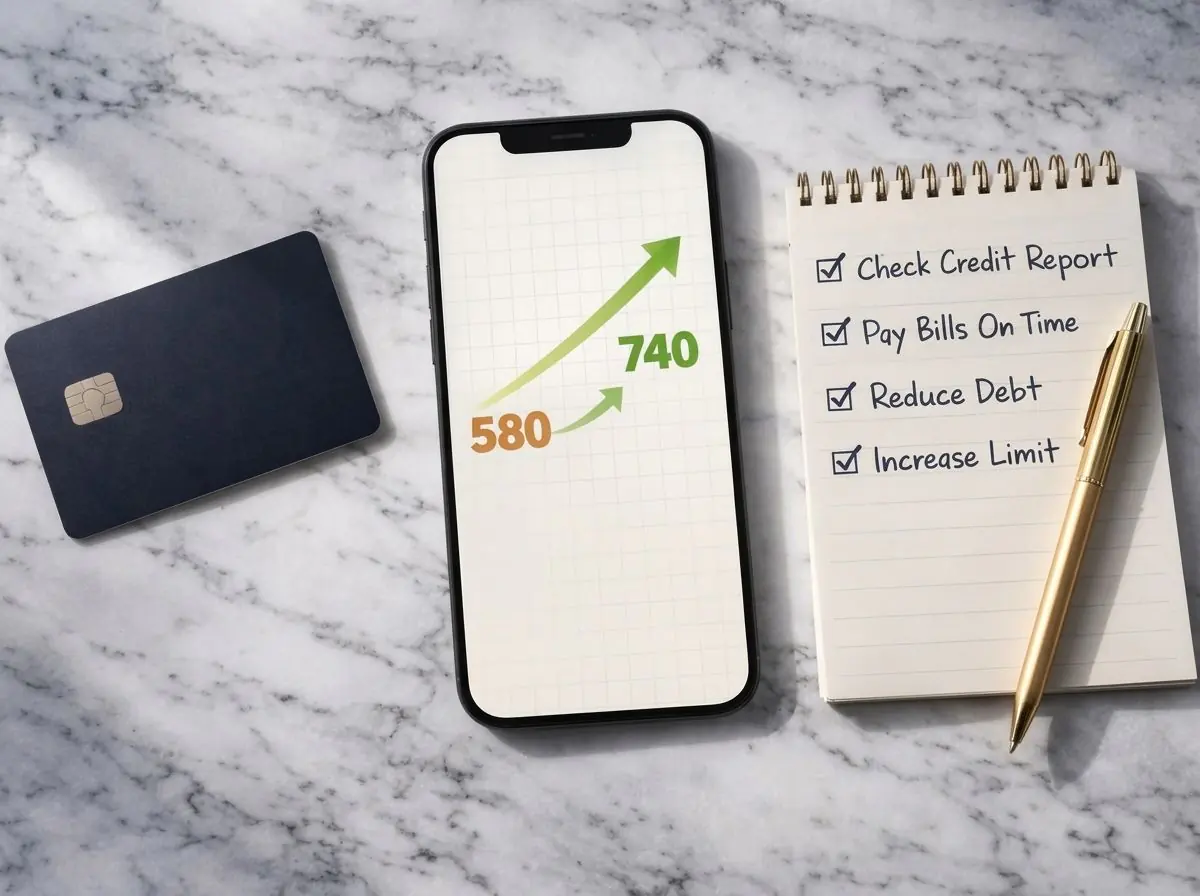
- Use eligibility checkers before applying. They use a soft search, which lenders don't see. A full application leaves a hard search on your file. FactsDeck's guide on whether checking your credit score hurts it explains the difference.
- Time big planned purchases to fall within the intro window, but never spend extra just to chase cashback.
- Keep your balance well below your limit. High usage can weigh on your credit score even if you pay in full.
- Carry a Visa or Mastercard backup if your main card is an Amex.
Paying by credit card also brings legal protection. Under Section 75 of the Consumer Credit Act 1974, the card provider is jointly liable with the retailer if something you buy with a cash price between £100 and £30,000 isn't delivered or is faulty. Debit cards don't give this protection.
When a Cashback Card Is the Wrong Choice
If you already carry a balance, a cashback card will cost you more than it pays. Earning 0.5% while paying 29% interest is a losing trade. Focus on clearing the debt first, perhaps with a 0% balance transfer card, and use FactsDeck's Debt Payoff Planner to see how long it will take.
If your credit history is thin or damaged, you may not be accepted for these cards yet. Start with one of the best credit builder cards and think about a cashback card after a year or so of on-time payments. If debt feels unmanageable, MoneyHelper offers free, impartial guidance and can point you to free debt advice.
For US Readers
US interchange fees aren't capped the way UK ones are, so American cashback cards usually pay noticeably more, often flat-rate or category-based rewards well above UK levels. The same golden rule applies: pay in full, because US card APRs are high too. The nearest US equivalent to Section 75 is the dispute and chargeback rights under the Fair Credit Billing Act, and the CFPB is the place to check your rights or make a complaint. Credit decisions in the US use credit reports and may use FICO or other credit scores, but soft-search pre-qualification works in much the same way.
What This Means for You
For most people, the Amex Cashback Everyday is the best starting point: no fee, a strong intro offer, and a rate that rises if you spend more. Lloyds Ultra is the best no-fee earner in year one, has the lowest representative APR here and is free to use abroad. The paid Amex and Santander Edge only win if you spend heavily and steadily. Whichever you pick, the rule is the same: clear the balance every month, or the cashback isn't worth having.
What You Should Do Next
- Add up how much of your monthly spending could realistically go on a credit card
- Check you can clear that amount in full every month
- Run soft-search eligibility checks before making any full application
- Compare net cashback after fees at your own level of spending, not the headline rate
- Set up a full-balance direct debit as soon as the card arrives
- Keep a Visa or Mastercard backup if you choose an Amex
- Put a reminder in your diary for when any intro rate ends
Frequently Asked Questions
Is cashback from a credit card taxable in the UK?
Cashback on your own personal spending is generally treated as a discount on what you bought rather than income, so it isn't normally taxed. If you're self-employed and the spending is a business expense, check the treatment with an accountant.
Does applying for a cashback card affect my credit score?
A full application leaves a hard search, which can dip your score slightly for a short time. Eligibility checkers use a soft search, which doesn't affect it.
When is cashback paid?
Most UK cards pay once a year as a statement credit. Amex pays at the end of each card membership year, and Lloyds Ultra pays in January.
Is it worth paying a fee for a cashback card?
Only if the extra cashback is more than the fee. For most people spending under £10,000 a year, a no-fee card earns more.
What happens if I miss a payment on a cashback card?
You'll usually pay a late fee and interest, and a missed payment can be recorded on your credit file. Some cards, including Amex, also stop paying cashback while your account is in arrears.
This article is for informational and educational purposes only and isn't financial advice. Rates, fees and cashback terms were checked in early October 2026 and may change. Always check the provider's current terms before applying.